
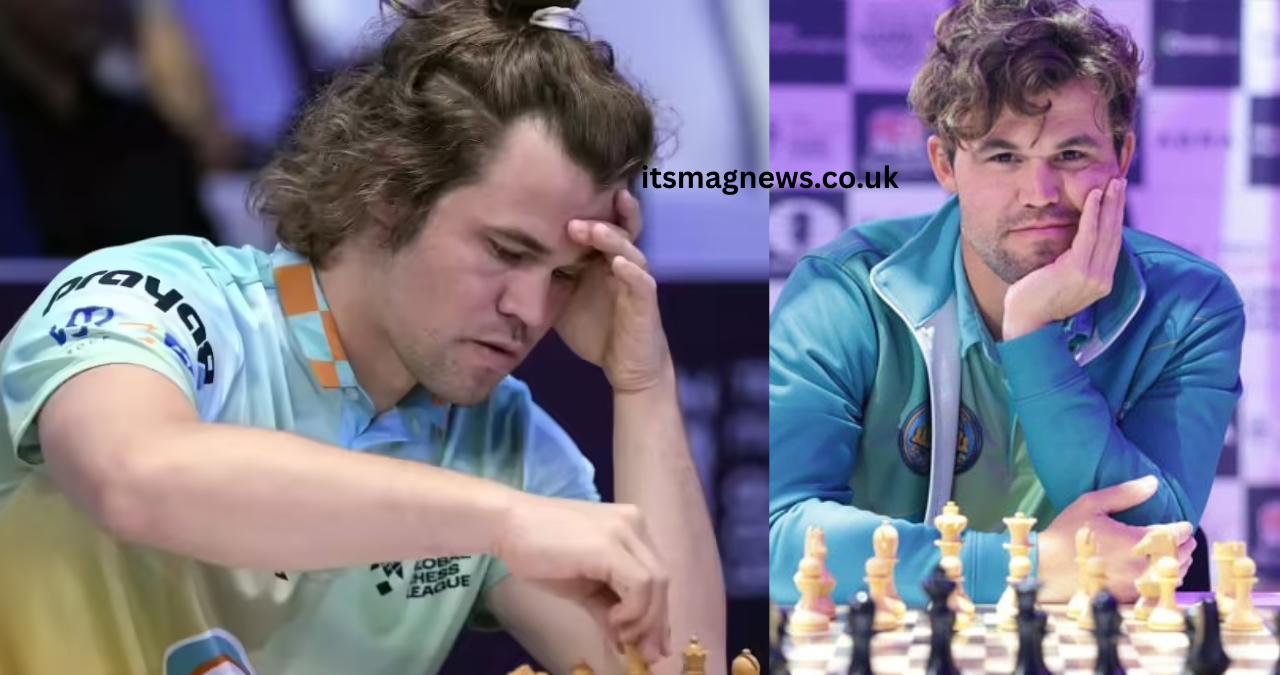

Magnus Carlsen net worth has become a popular topic as the Norwegian chess champion continues to shape modern professional chess. Known for his exceptional skill, long reign at the top of the world rankings, and success across classical, rapid, and blitz formats, Carlsen has built wealth from far more than tournament prizes. His income has also been connected to sponsorships, endorsements, business ventures, online chess, and media opportunities.
Estimating the exact fortune of a private individual is difficult because Carlsen does not publish a complete personal financial statement. However, public career records and reported earnings provide useful clues about how the chess grandmaster has built his financial position.
Magnus Carlsen Net Worth in 2026
Magnus Carlsen net worth is commonly estimated at around $50 million in 2026, although estimates can vary depending on which assets, business interests, contracts, and private investments are included. This figure should be viewed as an informed estimate rather than a confirmed balance sheet.
Carlsen’s financial success is unusual for a chess player. His combination of sporting achievements, global recognition, commercial partnerships, and entrepreneurial activity has helped him turn chess fame into a substantial personal fortune.
Unlike many professional athletes, chess players generally do not receive enormous guaranteed salaries. Their income often depends on tournament prizes, appearance fees, sponsorship agreements, endorsements, and other projects. Carlsen has performed exceptionally well across these areas.
How Magnus Carlsen Built His Wealth
The foundation of Carlsen’s wealth is his chess career. He became a grandmaster at 13 and quickly established himself as one of the strongest players in the world. His rise created opportunities that went well beyond prize money.
His status as a world champion dramatically increased his commercial value. When a player dominates an international sport for years, companies can use that reputation to reach a global audience. Carlsen has benefited from that visibility through sponsorships and partnerships.
At the same time, his playing style and personality have made him highly marketable. He has attracted attention from traditional chess fans as well as younger audiences who follow online competitions, streaming, and digital chess platforms.
Magnus Carlsen Career Earnings
Magnus Carlsen career earnings come from several different sources. Tournament winnings are one of the most visible parts, but they do not tell the complete story.
During his years competing at the highest level, Carlsen has won major events and collected substantial prize money. His victories in world championship matches and elite tournaments have added significantly to his income.
He has also earned money through rapid and blitz competitions. These formats have become increasingly popular, giving top players additional opportunities to compete for prize pools and appearance fees.
Another important source is commercial work. As Carlsen’s reputation expanded, sponsorships and endorsements became an increasingly valuable part of his overall earnings.
Chess Prize Money and Tournament Success
Professional chess prize money can vary greatly from one event to another. Smaller tournaments may offer modest rewards, while major international championships can provide substantial payouts.
Carlsen has repeatedly finished near the top of elite events, which has allowed him to accumulate prize money over many years. His success is especially impressive because he has competed consistently against the strongest players of his generation.
His world championship victories also played a major role in his financial growth. Winning the world title does not simply provide a prize. It increases a player’s international profile, creating commercial opportunities that can continue long after a tournament ends.
Magnus Carlsen Sponsorships and Endorsements
Magnus Carlsen sponsorships have been another major contributor to his wealth. Global brands are attracted to his reputation, intelligence, competitive record, and international audience.
Carlsen has worked with companies connected to technology, finance, lifestyle, sports, and other industries. These relationships have helped him earn income outside tournament competition.
For elite athletes, sponsorship income can sometimes become more valuable than direct competition earnings. The same principle applies to Carlsen. His brand extends beyond the chessboard, giving companies access to a highly engaged global audience.
His commercial appeal is also strengthened by his long-term status as one of the most recognizable figures in chess.
Magnus Carlsen Business Ventures
Business ventures have played an increasingly important role in Carlsen’s financial story. He has been involved in projects designed to expand chess into entertainment, technology, and online competition.
One of the most notable developments has been his connection with chess-focused businesses and digital platforms. The growth of online chess has created new opportunities for professional players who already have strong global audiences.
Carlsen’s business activities demonstrate that his wealth is not dependent entirely on playing tournaments. Building ownership interests and commercial projects can create income streams that continue even when he is not competing.
Magnus Carlsen and Online Chess
Online chess has transformed the economics of the game. Platforms allow elite players to reach millions of fans without needing to travel to a physical tournament.
Carlsen has been one of the most recognizable players in this digital era. His online competitions, rapid events, appearances, and chess-related content have helped maintain his visibility between major over-the-board tournaments.
The digital audience also makes professional chess more attractive to advertisers. A player with millions of followers can offer brands a different type of value than traditional tournament exposure.
This shift has helped strengthen Carlsen’s earning potential and made his personal brand more valuable.
Magnus Carlsen World Championship Success
Magnus Carlsen world championship success is one of the biggest reasons his financial position became so strong.
He became world champion in 2013 after defeating Viswanathan Anand. He then successfully defended the title against Anand again before facing other elite challengers in later championship matches.
Carlsen’s ability to remain at the top for years created a rare level of consistency. He became more than a successful grandmaster. He became the central figure of modern chess.
His world championship reign also helped bring new attention to chess in the United States and around the world. That wider audience created additional commercial opportunities.
Magnus Carlsen Ranking and Global Recognition
Magnus Carlsen ranking history has contributed strongly to his reputation. He reached the top of the FIDE world rankings and remained there for an extraordinary period.
His high rating became a symbol of his dominance. Fans, media organizations, sponsors, and tournament organizers all recognized the value of having the world’s leading player involved in an event.
Even after stepping away from the classical world championship cycle, Carlsen has remained a major force in elite chess. His continued success in rapid and blitz competition keeps his name at the center of the chess world.
Magnus Carlsen Endorsement Deals
Magnus Carlsen endorsement deals have expanded the financial value of his public image. His partnerships have included brands seeking to associate themselves with performance, intelligence, strategy, and global competition.
Unlike tournament winnings, endorsement contracts can provide more predictable income. They can also continue during periods when a player is competing less frequently.
Carlsen’s ability to appeal to audiences outside traditional chess has been especially important. He is recognizable among casual fans, making his commercial potential considerably larger than that of many other grandmasters.
The Role of Social Media in His Wealth
Social media has changed how athletes build personal brands, and Carlsen has benefited from that shift.
Chess fans can follow his tournaments, interviews, online games, appearances, and other activities through digital channels. This constant visibility helps maintain his connection with audiences between major competitions.
For sponsors, a large digital following can increase the value of partnerships. It also allows Carlsen to promote projects directly rather than depending entirely on traditional media.
That direct connection has become an important part of the modern sports economy.
Magnus Carlsen Investments and Assets
Specific details about Magnus Carlsen investments and personal assets are not fully public. Therefore, claims about the exact value of his property, private investments, or financial portfolio should be treated cautiously.
Still, it is reasonable to expect that a high-earning professional with a long international career has accumulated assets beyond cash and tournament winnings.
His wealth may include business interests, investment holdings, real estate, savings, and income-producing agreements. However, without verified financial disclosures, assigning precise values to these assets would be speculation.
This is why net worth estimates should be understood as approximations rather than confirmed figures.
Magnus Carlsen Lifestyle
Despite his wealth, Magnus Carlsen lifestyle has generally appeared less extravagant than the image often associated with celebrity athletes.
Chess does not require the same level of public luxury as sports such as professional football, basketball, or boxing. Carlsen’s public image has often focused more on competition, travel, chess, and personal interests than on displaying expensive possessions.
His lifestyle also reflects the unusual nature of his profession. Much of his working life involves preparation, tournaments, travel, analysis, and online competition.
The absence of constant displays of luxury does not mean that his financial position is modest. Instead, it highlights the difference between wealth and visible spending.
Magnus Carlsen Age and Career Longevity
Magnus Carlsen age has also become relevant when considering his future earning potential. Born in 1990, he reached elite status unusually early and has remained competitive for more than a decade.
That longevity gives him an advantage that many professional athletes do not have. He can potentially continue earning through chess, endorsements, business activities, media appearances, and investments even as his competitive schedule changes.
His strongest years on the chessboard may eventually give way to a broader role as an ambassador and entrepreneur within the chess industry.
Magnus Carlsen vs. Other Chess Grandmasters
Comparing Magnus Carlsen net worth with the wealth of other chess grandmasters shows how exceptional his commercial success has been.
Top players can earn meaningful incomes through tournament prizes, coaching, sponsorships, books, online platforms, and appearances. However, only a small number reach the level of global recognition associated with Carlsen.
His combination of world championship titles, record-setting ratings, tournament victories, and business interests has separated him financially from many other players.
The difference is not simply about chess ability. It is also about timing, branding, digital growth, and the expanding popularity of chess.
Why Magnus Carlsen Is So Valuable to Sponsors
Carlsen offers sponsors something that is difficult to replicate. He represents excellence in a sport that is played across almost every part of the world.
His identity is strongly connected to strategy, concentration, intelligence, and winning. Those qualities can fit naturally with technology companies, financial firms, educational brands, and other businesses.
His international appeal is another major advantage. Instead of reaching only one national audience, a company associated with Carlsen can gain exposure among chess fans across Europe, North America, Asia, and other regions.
That global reach helps explain why his commercial income has become an important part of his wealth.
Magnus Carlsen Net Worth Growth Over Time
Magnus Carlsen net worth did not reach its current estimated level overnight. It developed gradually through years of elite competition and increasing commercial success.
His early chess achievements created prize money and recognition. Becoming world champion significantly expanded his public profile. Continued tournament dominance strengthened his negotiating position with sponsors.
Later, the rise of online chess created another opportunity. Digital platforms made it possible for Carlsen to connect with a much larger audience than traditional chess television coverage could provide.
As a result, his financial growth reflects both sporting achievement and the modernization of chess as an entertainment industry.
The Future of Magnus Carlsen’s Wealth
The future of Carlsen’s wealth will likely depend less on classical world championship matches and more on the broader chess ecosystem.
He can continue competing in elite events while developing commercial projects, partnerships, digital content, and business interests. His name itself has significant value after years at the top of the sport.
The expansion of chess in the United States is particularly important. Chess has gained greater mainstream attention through online platforms, schools, streaming, esports-style events, and celebrity involvement.
As this market grows, established stars such as Carlsen may find even more ways to monetize their expertise and reputation.
Is Magnus Carlsen a Millionaire?
Yes. Magnus Carlsen is unquestionably a millionaire, and widely reported estimates place his wealth in the tens of millions of dollars.
His fortune comes from a combination of tournament winnings, sponsorships, endorsements, business activities, and other professional income. The exact figure remains uncertain because his complete financial information is private.
Still, there is little doubt that his decades of success have made him one of the wealthiest and most commercially successful chess players in history.
Frequently Asked Questions About Magnus Carlsen Net Worth
What is Magnus Carlsen net worth in 2026?
Magnus Carlsen net worth is widely estimated at approximately $50 million in 2026. The figure is not officially confirmed and can differ between estimates because his private investments, assets, and business interests are not fully disclosed.
How does Magnus Carlsen make money?
Carlsen earns money from chess tournament prizes, sponsorships, endorsements, appearances, online chess activities, and business ventures. His income is therefore much broader than traditional chess prize money.
Is Magnus Carlsen the richest chess player?
Carlsen is widely regarded as one of the richest chess players in history. His long-term dominance, world championship success, sponsorships, and business interests have created an unusually strong financial position.
How much does Magnus Carlsen earn from chess?
His chess income varies from year to year because tournament schedules and prize pools change. Major victories can generate significant prize money, while elite appearances, rapid events, and other competitions provide additional opportunities.
Does Magnus Carlsen still play chess?
Yes. Carlsen continues to compete in major chess events, particularly in rapid, blitz, and elite international competitions. Although he chose not to defend his classical world championship title after 2021, he remains one of the strongest active players.
Why is Magnus Carlsen so wealthy?
His wealth comes from a combination of extraordinary chess success and commercial opportunities. World championship titles established his global reputation, while sponsorships, endorsements, digital chess, and business ventures helped turn that reputation into long-term financial success.
Conclusion
Magnus Carlsen net worth reflects much more than prize money earned across a remarkable chess career. His world championship victories, record-breaking ranking, tournament success, sponsorships, endorsements, online presence, and business ventures have created multiple sources of income.
An estimated fortune of around $50 million places him among the most financially successful figures chess has produced. While the exact number cannot be confirmed without access to his private financial records, his position as a global sports personality is clear.
Carlsen’s career also shows how professional chess has changed. The modern chess champion can be an athlete, entertainer, entrepreneur, digital personality, and global brand at the same time. For Carlsen, that combination has turned extraordinary talent on the chessboard into extraordinary financial success off it.